June 25, 2026
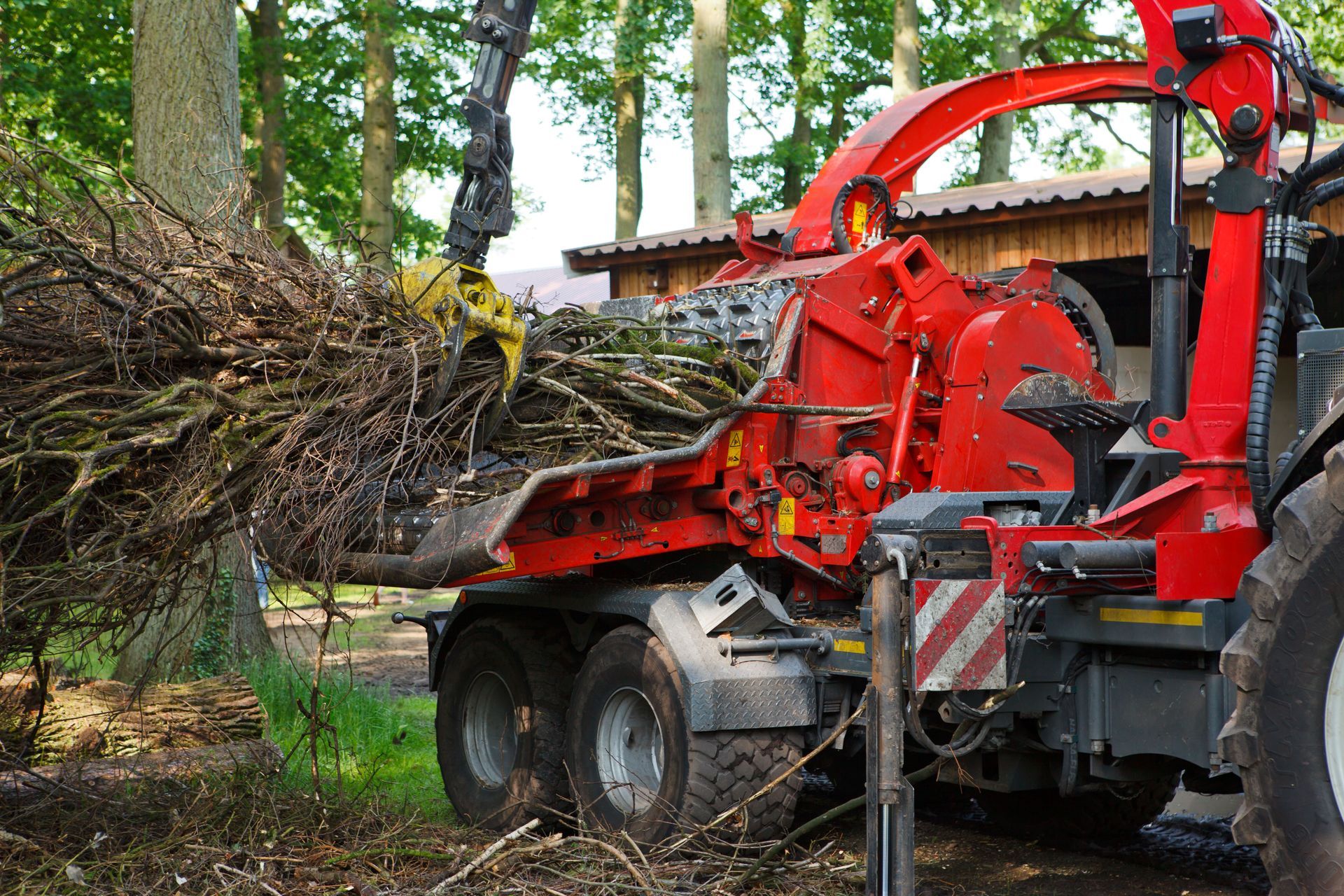
This article explores the various methods by which forestry mulching can effectively prevent soil erosion. Understanding these methods is crucial for both environmental management and sustainable land use. As land use and climatic conditions become more challenging, adopting effective soil conservation techniques like forestry mulching can significantly mitigate erosion risks. Forestry mulching entails clearing vegetation and grinding it into mulch, which is then left on-site for soil protection. This practice not only conserves soil but also enhances its fertility, ultimately contributing to the sustainability of the ecosystem.
1: Minimization of Water Runoff
Slowing Down Surface Water Flow
One of the significant benefits of forestry mulching is its ability to slow down surface water flow. By creating a rough, uneven surface, mulch disrupts the velocity of water, allowing more time for infiltration. Reduced surface flow decreases the potential for erosion by limiting the volume of water that can carry soil particles away. The water that flows is more contained and less destructive.
Increasing Infiltration Rates
Forestry mulching significantly enhances infiltration rates in the soil. As mulch breaks down, it increases the organic content in the soil, improving soil porosity and its ability to absorb water. By facilitating higher infiltration rates, less water pools on the surface, reducing erosion potential. This also ensures that the water reaches deeper into the soil, providing essential moisture to plant roots. Enhanced infiltration is crucial for maintaining soil integrity and promoting sustainable land management.
Preventing Sheet Erosion
Sheet erosion can be thwarted with forestry mulching. The mulch layer provides a barrier that reduces the impact of raindrops hitting the soil directly, which is a leading cause of sheet erosion. By dissipating the energy of falling rain, mulch reduces the likelihood of topsoil being dislodged. This minimizes soil loss and helps maintain the land's nutrient-rich topsoil essential for plant growth. Preventing sheet erosion is vital for maintaining soil productivity and environmental health.
2. Support for Vegetation Growth
Providing Nutrients Through Decomposition
Forestry mulching supports vegetation growth by providing a natural source of nutrients. As mulch decomposes, it releases essential nutrients into the soil, enriching it. This nutrient-rich environment is ideal for plant roots to thrive, promoting healthier and denser vegetation. The organic content from decomposed mulch also improves soil structure, which supports root expansion and nutrient uptake. This process not only fosters plant growth but also enhances the soil's ability to resist erosion.
Encouraging Root Development
Mulching significantly encourages robust root development. A healthy root system is crucial for binding the soil, making it less susceptible to erosion. The mulch layer conserves soil moisture, providing plants with the water necessary for vigorous root production. In addition, the organic matter from mulch enriches the soil, facilitating better nutrient absorption. Strong root networks stabilize the soil and are a critical component of effective erosion prevention strategies.
Suppressing Weed Growth
Suppression of weed growth is another way mulching supports vegetation development. Weeds compete with desirable plants for nutrients, water, and sunlight. A dense mulch layer restricts weed germination and growth by blocking sunlight and physically hindering their development. Reduced weed competition allows for more vigorous growth of trees and beneficial plants, enhancing overall soil stabilization. By limiting weed presence, more resources are available for desired vegetation, fostering a balanced ecosystem.
3: Protection Against Wind Erosion
Stabilizing Bare Soil
Wind erosion is effectively minimized through the stabilization of bare soil by forestry mulching. By covering exposed soil surfaces, mulch reduces the area vulnerable to wind action. This shield protects the soil from being lifted and carried away by wind. The mulch also traps fine soil particles, further reducing wind erosion potential. Stabilizing bare soil is critical in open landscapes and agricultural settings where wind erosion can be pronounced.
Reducing Wind Speed at Ground Level
A natural benefit of mulching is the reduction of wind speed at ground level. The irregular surface created by mulch disrupts air flow, reducing wind velocity at the soil surface. Slower wind speeds result in diminished wind erosion by lessening the force applied to the soil. By effectively reducing wind speed, mulching serves as a crucial protective measure for delicate soil systems. This reduction in air flow is vital in maintaining soil adhesion and limiting particulate movement.
Intercepting Airborne Particles
Mulch acts as an interceptor for airborne soil particles. As wind moves across the landscape, loose particles can be easily lifted from unprotected soils. Mulch captures these particles, preventing them from spreading and contributing to erosion elsewhere. By intercepting and containing displaced soil, mulching helps maintain soil integrity. The captured particles eventually contribute to soil fertility as they integrate and decompose within the mulch layer.
4: Biodiversity Benefits
Providing Habitat for Small Fauna
Forestry mulching provides an invaluable habitat for small fauna, promoting biodiversity. The dense mulch cover offers protection and a habitat for insects, amphibians, and small mammals. These creatures play significant roles in the ecosystem, from pollination to seed dispersal and as a part of the food chain. By supporting small fauna, mulching enhances ecosystem biodiversity and stability. This enhanced biodiversity indirectly supports soil health and erosion prevention through natural interactions and processes.
Supporting Beneficial Insects
Mulching supports an ecosystem conducive to beneficial insects. Many insects, like pollinators and predatory beetles, thrive in habitats created by mulched environments. These insects contribute to plant health by aiding pollination and controlling pest populations. The presence of beneficial insects strengthens plant growth, fostering stronger root systems and improved soil stabilization. Mulching hence contributes to an intricately balanced ecosystem that limits soil erosion through natural biological controls.
Fostering Plant Diversity
By nurturing a microenvironment with varied conditions, mulching fosters plant diversity. The moderated temperature and consistent moisture levels allow diverse plant species to establish themselves. A diverse plant community ensures that various root structures interact to stabilize the soil structure. With more species present, the ecosystem becomes more resilient to environmental changes and disturbances. Ultimately, plant diversity is crucial for maintaining a balanced and erosion-resistant landscape.
5: Long-term Resource Efficiency
Extending the Life of Infrastructure
By preventing erosion, forestry mulching extends the lifespan of nearby infrastructure. Uncontrolled erosion can damage foundations and other structural components over time. Mulching stabilizes soils, reducing sediment displacement that could threaten infrastructure stability. This results in less frequent repairs and long-term savings on maintenance and replacements. Implementing mulching strategies thereby increases infrastructure reliability and reduces associated maintenance costs.
Increasing Overall Land Productivity
Mulching significantly boosts overall land productivity by maintaining healthy soil conditions, especially when used efficiently. According to the USDA, mulching is most effective when less than 25 tons of vegetation or 100 trees are present per acre. This shows the importance of strategic application of mulch to enrich soil and encourage robust plant growth through improved nutrient cycling. With less erosion, lands retain their topsoil and fertility, sustaining productivity over extended periods. Forestry mulching contributes to consistent land output, supporting sustainable agricultural and ecological practices. Such productivity enhancements illustrate the long-term value of mulching as a land management strategy.
Improving Water Resource Management
Improved water resource management is a crucial benefit of forestry mulching. By enhancing soil structure and increasing infiltration, mulch reduces surface runoff and water wastage. Consequently, more water is retained within the soil, available for plant growth. This efficient water use leads to better water conservation practices across the landscape. Effective water management not only supports healthy plant growth but also protects against erosion, ensuring resources are utilized sustainably.
Forestry mulching proves to be an effective technique for preventing soil erosion. By understanding and implementing these strategies, we can achieve lasting positive impacts on the environment and land sustainability. Through enhancing soil moisture retention, minimizing runoff, supporting vegetation growth, and protecting against erosion forces, mulching fosters a balanced, resilient ecosystem. Increased biodiversity and long-term resource efficiency present additional advantages to this land management approach. If you want to learn more about forestry mulching, reach out to Ballard Land Management Services, LLC to discuss how our services hold the potential for ecological stability and sustainable land use well into the future.